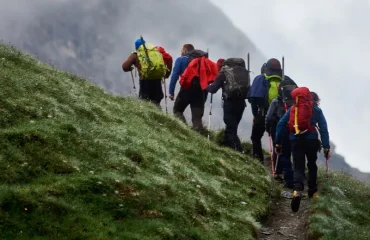
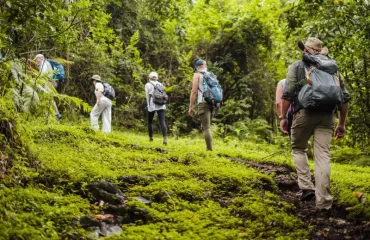
Trekking the Pare Mountains: Off the Beaten Path
Located between Mount Kilimanjaro and the Usambara Mountains, the Pare Mountains remain one of Tanzania’s least explored trekking destinations. Known for their quiet trails, traditional villages, and sweeping views, the Pare Mountains offer an excellent alternative for travelers seeking a peaceful hiking experience away from crowded routes. Bongo Trips organizes guided treks in the Pare Mountains, focusing on cultural interaction, safety, and responsible travel.
Where Are the Pare Mountains
The Pare Mountains stretch across northern Tanzania, near the border with Kenya. Divided into the North Pare and South Pare ranges, the area features dry ridges, forest patches, fertile valleys, and historic settlements. Unlike major trekking destinations, the Pare Mountains see few visitors, making them ideal for off-the-beaten-path exploration.
What Makes Trekking in Pare Unique
Trekking in the Pare Mountains is about connection rather than altitude challenge. Trails link small villages, farms, and viewpoints overlooking the Maasai Steppe and surrounding lowlands. Hikers walk through cultivated terraces, forests, and rocky paths shaped by generations of local communities.
This region is also rich in history. The Pare people are known for traditional irrigation systems and hillside farming, offering valuable insight into sustainable land use practices that continue today.
Popular Trekking Routes
Village-to-Village Walks
Many treks follow village paths used by local residents. These routes provide opportunities to interact with communities, visit local markets, and learn about daily life in the mountains.
Hilltop Viewpoints
Short climbs lead to natural viewpoints with wide views of the surrounding plains. On clear days, hikers may see Mount Kilimanjaro and the Usambara Mountains in the distance.
Forest and Water Source Trails
Some trails pass through forested areas and natural water sources that support local agriculture. These walks are shaded and suitable for moderate fitness levels.
Best Time to Trek the Pare Mountains
The best time for trekking is during the dry seasons, from June to October and January to February. Trails are more accessible, and views are clearer. During the rainy season, paths can be muddy, but the landscape becomes greener.
What to Expect on a Pare Trek
Trekking days usually last 4 to 6 hours, depending on the route. Elevation gains are moderate, and the pace is relaxed. Accommodation options range from simple guesthouses to community homestays, offering an authentic experience. Meals often include locally grown produce and traditional dishes.
Responsible Trekking and Local Guides
Hiring local guides is essential in the Pare Mountains. Guides ensure route safety, provide cultural context, and help support the local economy. Bongo Trips works closely with community guides to ensure responsible and respectful trekking experiences.
Plan Your Pare Mountains Trek with Bongo Trips
Bongo Trips offers customized trekking itineraries in the Pare Mountains, including guides, accommodation, transport, and cultural activities. Treks can be combined with visits to Kilimanjaro, Usambara, or nearby national parks.
Email: [email protected]
WhatsApp: +255752213715
Trekking the Pare Mountains provides a quieter, more personal view of Tanzania’s landscapes and communities. With Bongo Trips, travelers can explore this off-the-beaten-path destination through carefully planned routes that highlight both nature and culture.