Top Accommodation Trends in Arusha’s Tourism Industry
Arusha remains the beating heart of Tanzania’s Northern Safari Circuit and one of East Africa’s fastest-growing tourism hubs. Serving as the main gateway to Serengeti National Park, Ngorongoro Crater, Tarangire National Park, Lake Manyara National Park, and Mount Kilimanjaro, the city welcomes thousands of travelers every year.
As tourism continues to expand, Arusha’s accommodation industry is rapidly evolving to meet modern traveler expectations. Hotels, lodges, safari camps, and guesthouses are no longer just places to sleep they are becoming immersive travel experiences that reflect sustainability, comfort, culture, and technology.
In this guide, we explore the top accommodation trends shaping Arusha’s tourism industry and how they are transforming the way travelers experience Tanzania.
1. Strong Growth of Eco-Friendly Accommodation
Sustainability is one of the most influential trends in Arusha’s hospitality sector. More hotels and safari lodges are adopting environmentally responsible practices to reduce their ecological footprint and support conservation efforts.
Eco-friendly accommodation trends include:
- Solar energy usage in lodges and camps
- Reduced plastic and waste management systems
- Locally sourced food and organic gardens
- Community-based tourism initiatives
- Wildlife conservation partnerships
This shift reflects the growing demand for responsible travel experiences that protect Tanzania’s natural heritage while benefiting local communities.
2. Rising Popularity of Boutique Hotels
Boutique hotels are becoming increasingly popular in Arusha as travelers seek personalized and unique experiences rather than standardized accommodation.
Key features of boutique accommodation include:
- Individually designed rooms and interiors
- Small guest capacity for privacy and exclusivity
- Personalized customer service
- Artistic and culturally inspired décor
- Tailored safari and travel arrangements
This trend is driven by travelers who value authenticity, comfort, and meaningful connections during their stay.
3. Expansion of Mid-Range Safari-Friendly Hotels
Mid-range hotels remain the backbone of Arusha’s accommodation sector. These properties attract safari travelers who prioritize comfort, convenience, and affordability.
Key characteristics include:
- Comfortable rooms with private bathrooms
- Breakfast or half-board meal options
- Airport pickup and safari transfer services
- Reliable Wi-Fi and business-friendly amenities
- Easy access to safari departure points
Mid-range accommodation continues to grow due to increasing safari tourism and the demand for value-based travel options.
4. Growth of Luxury Safari Lodges and Urban Resorts
Arusha is experiencing a rise in luxury accommodation developments designed to meet the expectations of high-end travelers.
Luxury trends include:
- Spacious suites with panoramic views of Mount Meru
- Rooftop and infinity swimming pools
- World-class spa and wellness facilities
- Fine dining restaurants with international chefs
- Private safari planning and concierge services
Luxury lodges are increasingly integrated into safari itineraries, offering comfort before or after wildlife adventures.
5. Increased Demand for Airport and Transit Hotels
With Kilimanjaro International Airport serving as the main entry point for northern Tanzania safaris, there is growing demand for hotels located near the airport and along key transport routes.
Key benefits of this trend include:
- Short stopover accommodation for international travelers
- Easy access to early morning or late-night flights
- Reduced travel stress before or after safaris
- Convenient locations for tour groups and operators
Areas such as Usa River are benefiting significantly from this trend.
6. Digital Transformation in Booking and Travel Planning
The way travelers book accommodation in Arusha is changing rapidly due to digital innovation and mobile technology.
Modern booking trends include:
- Online hotel and safari package reservations
- Mobile-based communication via WhatsApp and apps
- Social media-driven travel planning
- Integrated accommodation and safari booking systems
Hotels are now offering complete travel experiences, not just rooms, by combining lodging with safari planning services.
7. Growth of Family and Group-Oriented Accommodation
Arusha is becoming increasingly popular among families, school groups, and large travel parties.
Accommodation trends for groups include:
- Family suites and interconnected rooms
- Large gardens and outdoor spaces
- Swimming pools suitable for children and adults
- Group dining and event facilities
- Flexible safari scheduling services
This reflects Tanzania’s growing appeal as a family-friendly safari destination.
8. Continued Expansion of Budget and Backpacker Stays
Budget accommodation remains an essential part of Arusha’s tourism ecosystem, especially for backpackers and solo travelers.
Key features include:
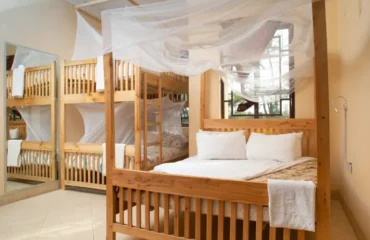
- Dormitory-style hostel rooms
- Affordable private guesthouse rooms
- Shared kitchen and social spaces
- Group safari booking opportunities
- Central city locations
Arusha continues to be one of East Africa’s most important backpacker hubs due to its affordability and accessibility.
9. Integration of Wellness and Relaxation Facilities
Wellness tourism is becoming an important part of the accommodation experience in Arusha, especially for safari and trekking travelers.
Popular wellness features include:
- Swimming pools and sun decks
- Spa and massage therapy services
- Yoga and fitness areas
- Nature-inspired relaxation spaces
- Garden and forest-view lounges
These facilities help travelers recover and relax before or after long safari journeys.
10. Safari-Themed Architectural Design
A growing trend in Arusha’s hospitality industry is safari-inspired design, which blends accommodation with the natural environment.
Design elements include:
- Tented-style luxury lodges
- Open-air dining areas
- Use of natural materials such as wood and stone
- Wildlife-inspired interior décor
- Scenic views of Mount Meru and surrounding landscapes
This design approach enhances the overall safari experience from the moment guests arrive.
11. Increased Focus on Experience-Based Accommodation
Modern travelers are no longer just looking for a place to sleep—they want experiences built into their stay.
Hotels and lodges in Arusha now offer:
- Coffee plantation tours
- Cultural village visits
- Walking safaris and nature trails
- Cooking and cultural experiences
- Integrated safari planning services
This trend is transforming accommodation into a key part of the travel journey.
12. Sustainable Community-Based Tourism Growth
Community involvement is becoming central to Arusha’s hospitality industry. Many lodges and hotels now support local communities through employment and tourism revenue sharing.
Key initiatives include:
- Hiring and training local staff
- Supporting Maasai cultural experiences
- Funding community education and projects
- Promoting local handicrafts and products
This ensures tourism benefits both travelers and local communities.
Conclusion
Arusha’s accommodation industry is undergoing a major transformation driven by sustainability, digital innovation, luxury development, and experience-based travel. From eco-friendly lodges and boutique hotels to budget hostels and luxury safari resorts, the city offers a diverse range of accommodation options for every type of traveler.
As Tanzania’s safari gateway continues to grow, accommodation providers in Arusha are focusing more on comfort, personalization, and immersive travel experiences that connect guests with nature and culture.
Plan Your Stay in Arusha with Bongo Trips
At Bongo Trips, we help travelers choose the best accommodation in Arusha based on budget, comfort, and safari plans. Whether you prefer luxury lodges, mid-range hotels, eco-friendly stays, or budget-friendly guesthouses, we ensure a smooth and memorable Tanzania travel experience.
- Email: [email protected]
- Call/WhatsApp: +255 752 213 715 / +255 754 557 877
Contact Bongo Trips today to book your ideal accommodation in Arusha and experience the latest hospitality trends in Tanzania’s safari capital.