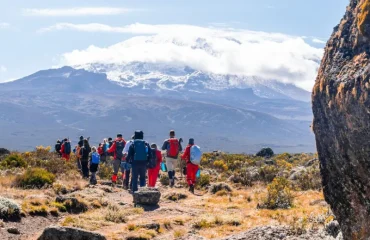
The Ultimate Kilimanjaro Trekking Guide
Mount Kilimanjaro stands as Africa’s highest peak and one of the most popular trekking destinations in the world. Rising to 5,895 meters above sea level, this iconic mountain attracts hikers looking for a rewarding high-altitude challenge without technical climbing. This guide covers everything you need to know to plan a successful Kilimanjaro trek, from route selection to preparation and timing. With expert support from Bongo Trips, your journey to the summit can be safe, organized, and well-paced.
Why Trek Mount Kilimanjaro
Kilimanjaro is a non-technical mountain, meaning no ropes or climbing equipment are required. What makes it challenging is the altitude and the length of the trek. Hikers experience changing landscapes as they move through rainforest, moorland, alpine desert, and icy summit conditions. Each zone offers a different climate, scenery, and wildlife, making the trek both physically and visually rewarding.
Popular Kilimanjaro Trekking Routes
Choosing the right route is one of the most important decisions when planning your climb.
Machame Route
The Machame Route is known for its scenic views and strong acclimatization profile. It is suitable for trekkers with moderate fitness and offers high summit success rates.
Marangu Route
The Marangu Route uses mountain huts instead of tents and follows a gradual ascent. It is often chosen by first-time trekkers who prefer fixed accommodation.
Lemosho Route
The Lemosho Route begins on the western side of the mountain and allows more time for acclimatization. It is less crowded during the early days and offers wide, open views.
Rongai Route
Approaching Kilimanjaro from the north, the Rongai Route is drier and quieter. It is a good option during the rainy season and for trekkers seeking fewer crowds.
Bongo Trips helps climbers select the route that best suits their fitness level, time frame, and trekking experience.
Best Time to Climb Kilimanjaro
The most reliable trekking periods are January to February and June to October. These months offer clearer skies and more stable weather. While Kilimanjaro can be climbed year-round, rainy seasons require additional preparation and flexibility.
How to Prepare for the Trek
Physical training should begin several weeks before the climb. Focus on endurance walks, stair climbing, and cardiovascular fitness. Mental preparation is equally important, as summit day requires patience and determination.
Essential gear includes layered clothing, waterproof outerwear, a warm sleeping bag, hiking boots, and sun protection. Staying hydrated and maintaining a slow pace are critical for altitude adjustment.
What to Expect During the Trek
Most Kilimanjaro treks last 6 to 9 days. Daily hikes range from 4 to 7 hours, depending on the route. Summit night starts late and involves a slow climb to Uhuru Peak before descending to lower altitude the same day. Experienced guides monitor health and pace throughout the trek.
Book Your Kilimanjaro Trek with Bongo Trips
Bongo Trips offers professionally guided Kilimanjaro trekking packages that include experienced guides, porters, meals, park fees, and safety support. Our team prioritizes responsible trekking practices and client safety from start to finish.
Email: [email protected]
WhatsApp: +255752213715
The Ultimate Kilimanjaro Trekking Guide provides a clear starting point for planning your climb. With proper preparation and the support of Bongo Trips, reaching the summit of Mount Kilimanjaro becomes an achievable and well-managed adventure.