Sustainable Trekking in Tanzania
Trekking in Tanzania is a unique way to explore mountains, forests, and highlands, but it comes with the responsibility to protect these fragile ecosystems. Sustainable trekking emphasizes minimizing environmental impact, supporting local communities, and preserving cultural heritage. With Bongo Trips, travelers can enjoy Tanzania’s trails responsibly while contributing to conservation and local well-being.
What Is Sustainable Trekking?
Sustainable trekking focuses on reducing negative impacts on the environment and local communities while enhancing the positive benefits of tourism. This approach ensures that trekking areas remain pristine, wildlife is protected, and local economies benefit from tourism.
Key principles include:
- Respecting natural habitats and wildlife
- Using eco-friendly products and practices
- Supporting local guides, porters, and communities
- Reducing waste and avoiding littering
Why Sustainable Trekking Matters in Tanzania
Tanzania is home to some of the world’s most famous mountains, national parks, and conservation areas. High-altitude forests, fragile ecosystems, and endemic species can be affected by poorly managed trekking. Practicing sustainability ensures that future generations can enjoy trails like Kilimanjaro, Meru, and the Udzungwa Mountains while preserving biodiversity and cultural sites.
Sustainable Trekking Practices
1. Choose Responsible Guides and Operators
Using a licensed and ethical trekking company ensures proper trail management, safety, and community support. Bongo Trips employs experienced guides and supports porters with fair wages, proper equipment, and safe working conditions.
2. Minimize Waste
- Carry reusable water bottles and containers
- Avoid single-use plastics
- Pack out all litter from campsites and trails
3. Respect Wildlife and Habitats
- Observe animals from a safe distance
- Stay on designated trails to prevent soil erosion
- Avoid touching or disturbing plants and cultural sites
4. Support Local Communities
- Buy food, crafts, and services locally
- Visit villages and markets respectfully
- Engage with cultural guides to learn about traditions and history
5. Use Eco-Friendly Camping Methods
On multi-day treks, sustainable camping is essential:
- Use biodegradable soaps and detergents
- Set up tents at designated sites
- Leave no trace behind
Popular Sustainable Trekking Routes
Tanzania offers trails that combine scenic beauty with responsible trekking opportunities:
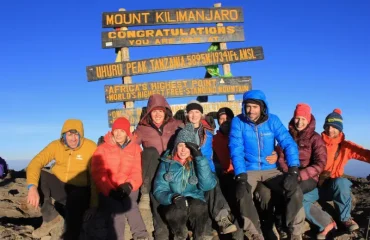
- Mount Kilimanjaro: Managed national park with strict trekking regulations
- Mount Meru and Arusha National Park: Smaller, eco-conscious treks with wildlife observation
- Usambara and Udzungwa Mountains: Remote forest treks that promote community-based tourism
- Southern Highlands: Off-the-beaten-path trekking with focus on local conservation
Tips for a Sustainable Trek
- Travel light and avoid overpacking
- Respect cultural norms in villages along trails
- Contribute to conservation funds when available
- Take only memories and photographs, leaving nature untouched
Book Your Sustainable Trek with Bongo Trips
Bongo Trips provides guided trekking experiences across Tanzania that prioritize safety, sustainability, and cultural respect. Our itineraries are designed to minimize environmental impact while giving travelers a meaningful and responsible outdoor adventure.
Email: [email protected]
WhatsApp: +255752213715
Sustainable trekking ensures that Tanzania’s mountains, forests, and highlands remain beautiful and accessible for generations to come. With Bongo Trips, every trek supports environmental conservation, local communities, and responsible adventure.