Travel with Impact: How to Choose Sustainable Safaris in Tanzania & Protect Wildlife
The magic of the Serengeti and the majesty of the gorillas depend entirely on dedicated conservation efforts. Consequently, modern travelers demand more than just a great view; they seek Sustainable Safaris in Tanzania. Therefore, choosing responsible operators ensures your adventure actively contributes to protecting the wildlife and supporting the communities that safeguard these precious lands.
Understanding Your Conservation Footprint
The money you spend on your safari is the frontline defense for Tanzania’s parks. However, not all of that money reaches the conservation effort equally.
Park Fees: The Direct Contribution
Park entrance fees are high, but they are non-negotiable and directly fund anti-poaching patrols, road maintenance, and ranger salaries. When you book, ensure your operator clearly itemizes these fees. Responsible operators prioritize using official channels for all payments.
Supporting Community-Based Conservation
The best way to ensure long-term wildlife protection is by involving local communities. Therefore, look for lodges and tour companies that partner with local conservation trusts or directly support villages bordering the parks. For example, staying in camps within private conservancies often guarantees that a portion of your fee goes directly into community development and land management, providing alternatives to poaching or unsustainable farming.
Eco-Conscious Lodging Choices
Where you sleep matters significantly to your environmental impact. Consequently, you should investigate the lodge’s operational philosophy.
Energy and Water Management
Ask operators which lodges they recommend based on eco-credentials. Specifically, look for properties that utilize solar power extensively, treat and recycle gray water, and actively minimize plastic use. Many top camps now use biodegradable products exclusively. Moreover, lodges that harvest rainwater demonstrate a strong commitment to resource management in arid environments.
Waste Management Practices
In remote areas, waste disposal is a huge challenge. Therefore, choose operators who commit to a ‘pack it in, pack it out’ philosophy, ensuring all non-biodegradable waste is responsibly removed from the wilderness areas for proper disposal or recycling near urban centers.
Ethical Wildlife Viewing Practices
Sustainability extends to your behavior during game drives. However, some practices threaten wildlife interaction.
Respecting Distances and Quiet Time
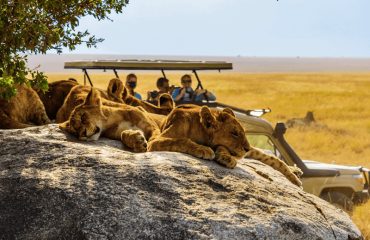
Never pressure your guide to approach animals too closely, especially predators or rhinos. Furthermore, sudden movements or loud noises disturb animal behavior patterns, which can negatively impact their survival success. Thus, patient, quiet observation is the hallmark of responsible tourism.
Sustainable Safaris in Tanzania is not just a buzzword; it is a commitment to preserving the wild spaces for future generations. Bongo Trips vets its partners rigorously to ensure every itinerary supports ethical practices on the ground.
Contact us to design a responsible safari that leaves a positive legacy:
WhatsApp: +255 752 213 715
Email: [email protected]