





Uluguru Mountains
The Uluguru Mountains rise above Morogoro with lush forests, waterfalls, and panoramic views. Explore endemic wildlife, cultural villages, and eco-trails. A must-visit for hikers and nature lovers in Tanzania’s Eastern Arc range.
Description
Uluguru Mountains , Tanzania’s Green Heart of Biodiversity
Just east of Morogoro town, the Uluguru Mountains form a lush, mist-shrouded massif that’s part of the ancient Eastern Arc chain, one of the most biologically rich regions on Earth. Their steep slopes rise to over 2,600 meters, creating an oasis of green above the Tanzanian plains.
Named after the Luguru people who have lived here for centuries, the mountains are famed for their endemic plant and animal species, cool climate, and breathtaking hiking routes. These forests are not only vital for biodiversity but also serve as a watershed that provides fresh water to millions, including the city of Dar es Salaam.
,Forests, Waterfalls & Wildlife
The Ulugurus host some of the oldest rainforests in Africa, dating back more than 25 million years. This dense green world is home to butterflies, chameleons, and over 100 bird species, including rare endemics like the Uluguru bushshrike, loveridge’s sunbird, and Uluguru violet-backed sunbird.
Hiking through the Uluguru Nature Reserve, you’ll encounter hidden waterfalls, mossy rocks, and giant ferns beneath a canopy of towering fig trees. The Bondwa Peak trail, the highest point of the range, rewards trekkers with panoramic views stretching across the Mikumi plains and beyond.
For birdwatchers and biologists, the Ulugurus are a living laboratory , a natural sanctuary where evolution continues to unfold.
Cultural Encounters & Local Life
The Luguru people have lived in these mountains for generations, practicing sustainable farming on terraced hillsides and preserving traditional music, dance, and crafts. Guided cultural tours let you visit rural villages, learn about banana beer brewing, and share local meals.
Many eco-tourism projects here are community-run, meaning your visit directly supports conservation and livelihoods. The people’s deep respect for the forest is evident , in Luguru culture, the mountains are considered sacred, a gift that sustains life.
Adventure & Hiking Trails
Whether you’re after a gentle forest walk or a challenging mountain climb, the Ulugurus offer a range of hikes:
- 🥾 Bondwa Peak Trail: A full-day hike to 2,638m, offering panoramic views of Morogoro.
- 💧 Morning Site Waterfall Trail: A moderate forest walk leading to a refreshing waterfall.
- 🌿 Tegetero Village Walks: Cultural tours through local farms and forest edges.
- 🌅 Choma Viewpoint: Short but steep trail for sunrise and sunset vistas over Morogoro.
Combine your Uluguru trek with visits to Usambara Mountains or Rubeho Mountains for a full Eastern Arc circuit of Tanzania’s ancient highlands.
Best Time to Visit
The best time to explore the Uluguru Mountains is during the dry seasons (June–October and December–February). Trails are less slippery, skies are clear, and wildlife is more active. The rainy months (March–May, November) bring vibrant greenery but can make hiking more challenging.
How to Get There
- 🚗 From Dar es Salaam: Around 3–4 hours by road west to Morogoro, then 15–30 minutes to trailheads.
- 🏞️ By location: The main access points are Morning Site, Bondwa, and Tegetero villages.
- 🚌 Public transport: Regular buses connect Dar es Salaam and Morogoro. Local transport can be arranged to reach the foothills.
Morogoro serves as a convenient base, with guesthouses and eco-lodges offering guided hikes and nature tours.
Frequently Asked Questions (FAQs)
Why visit the Uluguru Mountains?
The Uluguru Mountains combine rich biodiversity, beautiful scenery, and cultural depth. They’re home to endemic birds, chameleons, and ancient rainforests, making them a must-see for nature enthusiasts and trekkers who want to explore beyond Tanzania’s safari circuits.
Where can I stay?
Stay in Morogoro town for comfort or at Morning Site, a community-run eco-camp deep in the hills. Lodges like Simba Hills View and Arc Hotel Morogoro provide easy access to trails and stunning views of the mountains.
What kind of wildlife will I see?
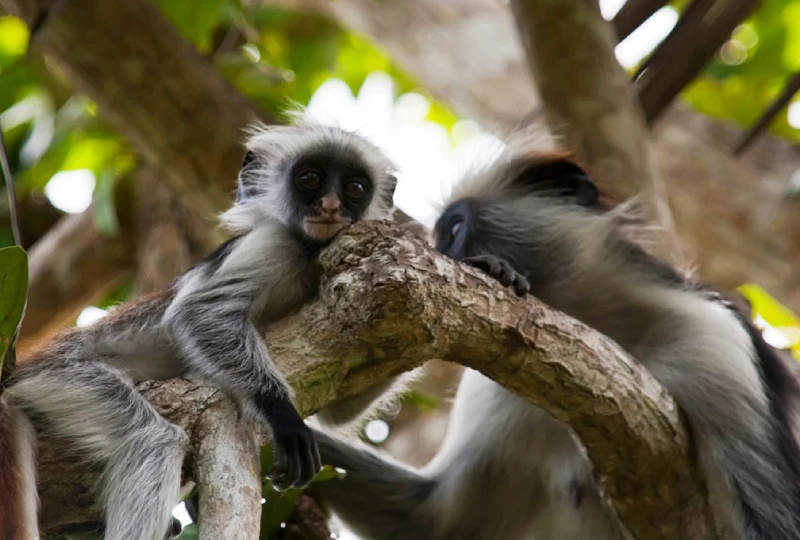
Expect monkeys, chameleons, butterflies, and a wide variety of birds, many unique to these mountains. Birders often visit to spot the Uluguru bushshrike and loveridge’s sunbird, species found nowhere else on Earth.
Are there easy hikes available?
Yes. Trails like Choma Viewpoint and Morning Site Waterfall are perfect for beginners or families. For experienced hikers, Bondwa Peak offers a more demanding full-day climb through dense forest.
Is it suitable for families or older travelers?
Absolutely. Many trails are short and scenic rather than strenuous, and local guides ensure a comfortable pace. Families can enjoy forest walks, birdwatching, and cultural tours without difficulty.
Do I need a guide?
Yes. A licensed local guide is essential for navigation, wildlife spotting, and cultural insights. They also help ensure safety and contribute to local conservation through guiding fees.
What should I pack?
Bring comfortable hiking shoes, insect repellent, rain jacket, refillable water bottle, and binoculars. Temperatures are cooler than on the plains, so a light sweater is useful for evenings.
Is camping allowed?
Yes , community-managed campsites near Morning Site and Bondwa offer rustic but scenic overnight stays surrounded by forest sounds and mountain mist.
Can I combine this trip with nearby attractions?
Definitely! The Ulugurus are close to Mikumi National Park, perfect for a wildlife extension, or Usambara Mountains for another lush hiking region within the Eastern Arc range.
Final Thoughts
The Uluguru Mountains are one of Tanzania’s most rewarding off-the-beaten-path destinations , a realm of misty forests, cascading waterfalls, and friendly mountain communities. Whether you come to hike, birdwatch, or simply breathe the clean mountain air, you’ll leave with a deeper appreciation for Tanzania’s wild, green heart.
Combine your adventure with Usambara Mountains or Rubeho Mountains to experience the full wonder of the Eastern Arc Mountains, Africa’s “islands in the sky.”


