





Rubeho Mountains
The Rubeho Mountains are among Tanzania’s least explored natural wonders. Hike through remote forests, spot endemic birds, and experience the wild heart of the Eastern Arc. Perfect for explorers seeking solitude and pristine nature.
Description
Rubeho Mountains , Remote Wilderness in Tanzania’s Eastern Arc
Nestled in central Tanzania, the Rubeho Mountains form part of the ancient Eastern Arc range, renowned for its incredible biodiversity and ecological significance. These mountains are less known to travelers but are a sanctuary for rare species, pristine forests, and peaceful hiking routes that feel far removed from modern life.
The Rubeho range connects to the Uluguru and Udzungwa Mountains, creating a corridor of biodiversity often called the “African Galápagos” due to its high number of endemic species. For nature lovers and serious hikers, Rubeho offers a true sense of discovery.
Biodiversity & Conservation
The Rubeho Mountains are covered in montane and submontane forests, home to numerous endemic species found nowhere else on Earth. Scientists have identified rare frogs, chameleons, butterflies, and over 200 bird species, including the Rubeho warbler and Rubeho akalat , two birds unique to this mountain range.
This ecological richness has made the Rubeho Mountains a focus area for conservation efforts by organizations like the Tanzania Forest Conservation Group (TFCG). These forests are vital not only for wildlife but also for local water catchment and climate regulation.
Hiking & Adventure
Hiking in the Rubeho Mountains is raw and rewarding. Trails are often unmarked, winding through thick forest canopies, bamboo groves, waterfalls, and remote villages. The region’s remoteness means that visitors should be well-prepared and ideally travel with a knowledgeable local guide.
Highlights include:
- 🌿 Rubeho Forest Reserve: Primary montane forest with incredible birdlife.
- 🏞️ Kiboriani Hill: Offers panoramic views over the plains and nearby ridges.
- 💧 Waterfall Trails near Gairo: Scenic routes that reveal the mountains’ natural charm.
Unlike other Eastern Arc ranges, Rubeho receives very few visitors , making it ideal for explorers who value solitude, photography, and deep nature immersion.
Local Culture & Villages
The lower slopes of the Rubeho Mountains are home to the Kaguru and Sagara people, who live in small agricultural villages. Visitors can learn about their traditional farming systems, herbal medicine, and local crafts, gaining insight into life sustained by forest resources.
Community-based tourism initiatives are slowly developing in the area, emphasizing sustainable travel that supports conservation and rural livelihoods.
Best Time to Visit
The dry season (June–October) offers the best hiking conditions, with clear skies and accessible trails. The wet season (November–April) transforms the landscape into a lush paradise but can make access challenging due to muddy roads and swollen rivers.
How to Get There
- 🚗 From Morogoro: The main gateway to the Rubeho Mountains, roughly 4–5 hours by car.
- ✈️ Nearest Airport: Julius Nyerere International Airport in Dar es Salaam (then connect by road).
- 🚌 Public transport runs to nearby towns like Gairo or Kilosa, where local guides can arrange trips into the mountains.
Because of limited infrastructure, 4×4 vehicles and guided tours are highly recommended.
Frequently Asked Questions (FAQs)
Why visit the Rubeho Mountains?
For those who crave wilderness, the Rubeho Mountains offer a genuine off-grid adventure. You’ll encounter unspoiled forests, endemic wildlife, and local cultures untouched by mass tourism , a rare find in today’s world.
What kind of wildlife can I see?
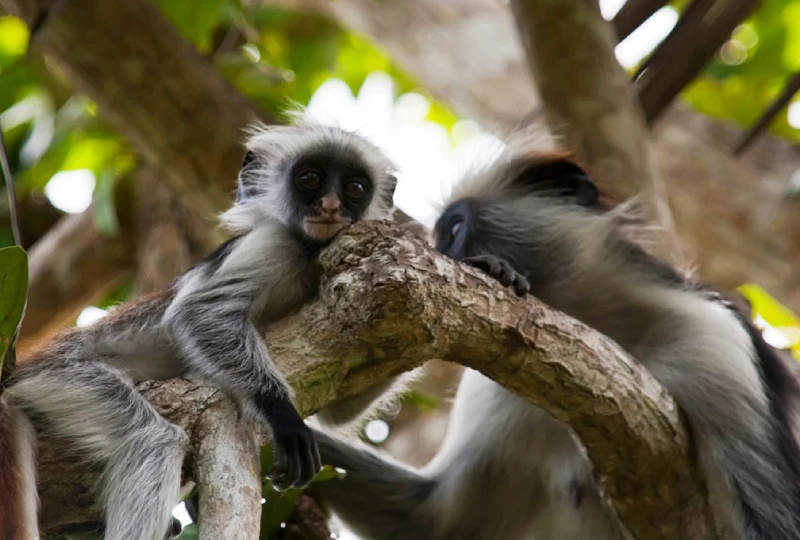
Expect rare birds, forest monkeys, bush duikers, chameleons, and countless insects and frogs. The Rubeho Mountains are particularly famous among birders for the Rubeho warbler and Rubeho akalat, both endemic to this region.
Are there hiking routes?
Yes, but trails are less developed than in places like Usambara or Uluguru. Popular routes include those through Rubeho Forest Reserve and up to Kiboriani Hill, offering challenging yet scenic hikes.
Where can I stay?
Accommodation is limited to basic guesthouses in nearby towns like Gairo or Kilosa, or camping with local permission. Some eco-projects and community lodges are in development to support sustainable tourism.
Is it safe to travel there?
Yes, though it’s a remote destination. Travel with a guide or local operator familiar with the terrain. Bring essentials like food, water, and camping gear if venturing deep into the forest.
What’s the best way to explore?
A mix of hiking, birdwatching, and cultural visits gives the best experience. Travelers often combine Rubeho with nearby Uluguru Mountains or Udzungwa Mountains National Park for a complete Eastern Arc adventure.
Do I need a permit?
Some forest reserves may require entry permits, usually arranged by guides or local authorities. It’s best to inquire in Morogoro before your trip.
What should I pack?
Bring sturdy hiking boots, long sleeves, rain gear, insect repellent, and binoculars. Nights can be cool, so a light jacket helps. A GPS or offline map is also useful due to limited signage.
Final Thoughts
The Rubeho Mountains are Tanzania’s best-kept secret , a remote, lush paradise for hikers, researchers, and anyone seeking an authentic wilderness experience. With their rich biodiversity, cultural depth, and tranquil atmosphere, they represent the wild heart of the Eastern Arc Mountains.
Combine a visit to the Rubeho range with the Uluguru Mountains or Usambara Mountains for an unforgettable journey through Tanzania’s hidden highlands.


