How to Stay Safe While Hiking in Tanzania
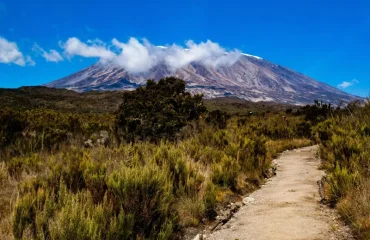
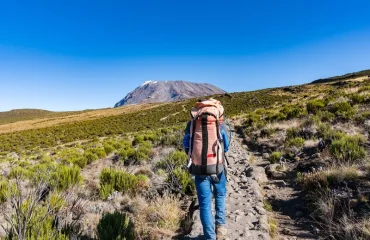
Hiking in Tanzania offers access to mountain landscapes, forests, volcanic highlands, and cultural trails. From day hikes near Arusha to multi-day treks in remote regions, safety is an important part of every hiking experience. With the right preparation and guidance, hiking in Tanzania is both safe and rewarding. Bongo Trips ensures that every trek follows proper safety standards while providing knowledgeable local guides.
Choose Guided Hikes Whenever Possible
One of the best ways to stay safe while hiking in Tanzania is to travel with a certified local guide. Guided hikes offer:
- Knowledge of trails, weather patterns, and terrain
- Support in case of injury or fatigue
- Communication with local communities and park authorities
- Wildlife awareness and risk management
Many hiking areas in Tanzania require registered guides, especially within national parks and protected zones.
Prepare Physically and Mentally
Before starting your hike:
- Choose a trail that matches your fitness and experience level
- Train with regular walks or hikes before arrival
- Understand the distance, elevation gain, and duration of the trek
- Take rest days when needed
For higher altitudes, such as Mount Kilimanjaro or Mount Meru, gradual ascent and proper pacing are essential.
Pack the Right Safety Gear
Proper equipment plays a key role in hiking safety:
- Sturdy hiking shoes with good grip
- Lightweight backpack with water and snacks
- Weather-appropriate clothing and rain protection
- Hat, sunscreen, and sunglasses
- Basic first-aid kit and personal medication
- Headlamp or flashlight for early starts
Avoid overpacking, but never skip safety essentials.
Stay Aware of Wildlife and Environment
Tanzania is home to diverse wildlife, and some hiking routes pass through wildlife corridors:
- Follow your guide’s instructions at all times
- Do not approach or feed animals
- Make noise when required to alert wildlife of your presence
- Avoid hiking alone in wildlife areas
Weather can also change quickly, especially in mountainous regions. Always be prepared for rain, wind, or temperature drops.
Health and Hygiene Tips
- Drink enough water to prevent dehydration
- Use insect repellent to reduce the risk of bites
- Wash hands or use sanitizer before meals
- Eat well-cooked food and avoid untreated water
- Inform your guide about any medical conditions
For longer treks, guides carry emergency supplies and communication devices.
Respect Local Communities and Trails
Safety also includes respectful behavior:
- Ask permission before taking photos of people or villages
- Stay on marked paths
- Follow park and village rules
- Avoid disturbing sacred or protected sites
Good conduct helps maintain safe and welcoming hiking routes.
Best Time for Safe Hiking in Tanzania
The dry seasons from June to October and January to February provide the safest hiking conditions. Trails are clearer, and access is easier. The rainy season offers green scenery but requires extra caution due to slippery paths and limited access in some areas.
Hike Safely with Bongo Trips
Bongo Trips organizes guided hikes across Tanzania with a strong focus on safety, preparation, and local expertise. Our experienced guides, well-planned routes, and community connections ensure a secure and enjoyable experience.
Email: [email protected]
WhatsApp: +255752213715
Staying safe while hiking in Tanzania starts with preparation, awareness, and choosing the right guide. With Bongo Trips, travelers can explore Tanzania’s landscapes with confidence, knowing that safety is always a top priority.