Fitness Tips for Your Tanzania Trek
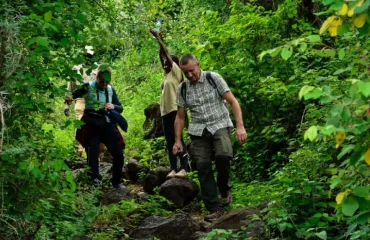
Trekking in Tanzania is a rewarding adventure, whether you are climbing Mount Kilimanjaro, exploring the Usambara Mountains, or walking through the Ngorongoro Highlands. Proper fitness preparation is essential to enjoy the journey, reduce the risk of injury, and improve your chances of reaching higher altitudes comfortably. Bongo Trips offers guided treks and recommends these fitness tips to help travelers get ready for a successful Tanzania trekking experience.
Why Fitness Matters
Many trekking routes in Tanzania involve uneven terrain, long hours of walking, and, in some cases, high altitude. Being physically prepared:
- Reduces fatigue and risk of injury
- Helps with acclimatization to altitude
- Improves endurance for long days on the trail
- Increases enjoyment and confidence during the trek
Even moderate improvements in fitness can make a big difference in your trekking experience.
Cardiovascular Training
Cardio exercises help strengthen your heart and lungs, essential for long hikes and higher altitudes. Recommended activities include:
- Brisk walking or hiking: Start with shorter walks, gradually increasing distance and elevation.
- Running or jogging: Improves stamina and cardiovascular endurance.
- Cycling: Builds leg strength and aerobic capacity.
- Swimming: Low-impact exercise that improves lung capacity and overall fitness.
Aim for at least 30–60 minutes of cardio 4–5 times per week leading up to your trek.
Strength Training
Strong muscles support joints and reduce fatigue on long hikes. Focus on:
- Legs: Squats, lunges, step-ups, and calf raises
- Core: Planks, sit-ups, and back extensions for stability and balance
- Upper body: Push-ups and light weights to manage trekking poles and backpacks
Strength training 2–3 times per week helps prepare your body for uneven terrain and carrying gear.
Endurance and Hiking Practice
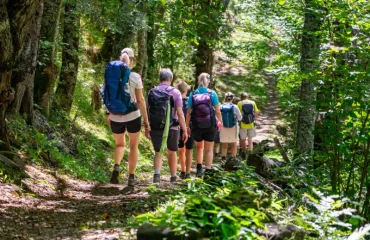
- Backpack training: Walk with a loaded backpack to simulate trekking conditions.
- Incline hikes: Practice on hills or stairs to mimic elevation gain.
- Long walks: Gradually increase the length of hikes to build stamina for 4–7 hour trekking days.
Practice on terrain similar to your planned route whenever possible.
Flexibility and Recovery
Flexibility reduces the risk of muscle strain and improves overall comfort:
- Stretch before and after exercise
- Focus on hamstrings, calves, hip flexors, and back
- Incorporate yoga or Pilates for balance and flexibility
Adequate rest is essential to allow muscles to recover and adapt.
Nutrition and Hydration
Fitness also depends on proper fueling:
- Eat a balanced diet with proteins, carbohydrates, and healthy fats
- Stay hydrated, especially during cardio and hikes
- Include energy snacks during long training sessions
Mental Preparation
Trekking in Tanzania can be mentally challenging, especially at higher altitudes. Practice pacing yourself, staying calm under fatigue, and maintaining focus during long walks. Mental readiness is as important as physical fitness.
Book Your Trek with Bongo Trips
Bongo Trips provides guided trekking experiences across Tanzania, including Kilimanjaro, Mount Meru, the Usambara and Uluguru Mountains, and national park walks. Our experienced guides offer advice on fitness, gear, and pacing to ensure a safe and enjoyable trek.
Email: [email protected]
WhatsApp: +255752213715
Preparing your body and mind for a Tanzania trek ensures a more enjoyable and successful adventure. With proper fitness, endurance, and guidance from Bongo Trips, travelers can explore mountains, highlands, and scenic trails safely while making the most of Tanzania’s natural beauty.