Exploring Ngorongoro Highlands on Foot
The Ngorongoro Highlands offer one of Tanzania’s most scenic and culturally rich walking destinations. Located within the Ngorongoro Conservation Area, this region features rolling hills, volcanic landscapes, open grasslands, and traditional Maasai settlements. Exploring the highlands on foot allows travelers to experience the area beyond vehicle-based safaris, gaining a closer connection to the land, wildlife, and local communities. Bongo Trips provides guided walking and trekking experiences designed to follow conservation regulations and ensure visitor safety.
Why Walk in the Ngorongoro Highlands
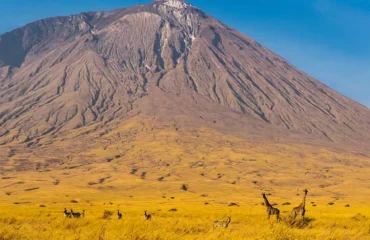
Walking in the Ngorongoro Highlands offers a different perspective from game drives. On foot, travelers can observe plant life, volcanic features, bird species, and grazing wildlife at a slower pace. The area’s open terrain and high elevation create wide views across the Rift Valley and surrounding plains.
Because the Ngorongoro Conservation Area allows human settlement alongside wildlife, walking tours also provide opportunities to learn about traditional Maasai lifestyles and land management practices that have existed for generations.
Popular Walking and Trekking Routes
Empakaai Crater Walk
One of the most popular routes is the walk to Empakaai Crater, a volcanic caldera with a soda lake covering much of its floor. The hike offers views of the crater rim, forested slopes, and birdlife, including flamingos when water levels allow. This walk is moderate and suitable for travelers with basic fitness.
Olmoti Crater to Nainokanoka
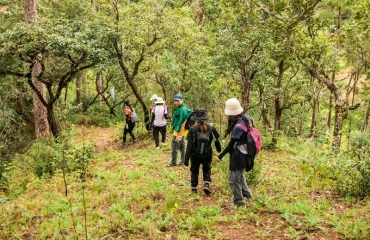
The route between Olmoti Crater and Nainokanoka village is a classic highland walk. Hikers pass through grasslands, river valleys, and Maasai grazing areas. The walk provides insight into rural life and traditional herding practices.
Highland Plains and Viewpoints
Gentle walks across the highland plains offer long-distance views and quiet surroundings. These routes are ideal for photography and nature observation and can be adjusted in length depending on time and fitness levels.
Wildlife and Safety Considerations
Wildlife such as buffalo, zebra, antelope, and birds are commonly seen during highland walks. Due to the presence of wildlife, walking is only permitted with armed rangers and trained guides. Bongo Trips arranges all required permits and professional escort services in line with conservation rules.
Best Time to Walk the Ngorongoro Highlands
The best time for walking tours is during the dry seasons, from June to October and January to February. Trails are more stable, and visibility is clearer. During the rainy months, the landscape becomes greener, but some routes may be slippery or restricted.
What to Bring
Preparation is important for highland walks. Recommended items include:
- Comfortable hiking shoes
- Warm layers for cooler temperatures
- Sun protection
- Drinking water
- Light rain jacket
Plan Your Ngorongoro Highlands Walk with Bongo Trips
Bongo Trips offers guided walking tours and trekking itineraries in the Ngorongoro Highlands, including permits, ranger fees, professional guides, and accommodation. Walks can be combined with game drives in the Ngorongoro Crater or extended trekking routes through the highlands.
Email: [email protected]
WhatsApp: +255752213715
Exploring the Ngorongoro Highlands on foot offers a deeper understanding of Tanzania’s landscapes and cultures. With expert planning and guidance from Bongo Trips, travelers can enjoy a safe, educational, and memorable walking experience in this unique conservation area.